One Year of Replacing Subscriptions With Self-Hosted Services: An Honest Scorecard

A year ago I looked at my recurring charges and decided to try an experiment: for every subscription I paid for, I would ask whether a self-hosted, open-source alternative could do the job — and actually live with the answer for twelve months.

This is the scorecard. Not the triumphant “I saved thousands” version — the honest one, with the failures included, because the failures taught me more.

The setup

Everything runs on a single small home server — an old mini-PC with 16 GB of RAM pulling about 12 watts — plus a cheap VPS for the few things that must survive a home-internet outage. The stack is boring on purpose: Debian stable, Docker Compose, one Caddy reverse proxy, and a nightly restic backup to object storage. Boring is what makes the rest of this story possible.

The wins: five subscriptions gone for good

Cloud photo storage → Immich. The flagship win. Automatic phone backup, face recognition, timeline view — the whole experience I was paying for, running on my own disk. The mobile app is genuinely good. My family uses it without knowing or caring that it’s self-hosted, which is the highest praise infrastructure can earn.

Notes-app premium → Joplin with self-hosted sync. Sync across three devices, markdown, encryption. Migration was an afternoon of exporting and cursing proprietary formats — the export was the hard part, which tells you why these apps charge for sync in the first place.

Password manager family plan → Vaultwarden. The official clients all work against it. Two years of uptime anxiety predictions; zero incidents. The VPS hosts this one — it’s the single service where “my home internet is down” cannot mean “I’m locked out”.

Media streaming (one of three services) → Jellyfin serving media I already own. I didn’t cut all streaming — I’m not writing this from a cabin in the woods — but the “we pay for this to watch one show a year” service died and nobody noticed.

RSS-reader subscription → FreshRSS. Trivial to run, faster than the service it replaced, and reading my own feeds on my own server is philosophically satisfying in a way only RSS people will understand.

The failures: two humbling retreats

Email. I lasted four months self-hosting it. Deliverability is a permanent part-time job: warming an IP, monitoring blocklists, discovering a big provider silently junks your mail. Email is the one service where the network effects of a large provider are worth real money. I went back, wiser and slightly bruised.

Cloud office suite for shared documents. The collaborative-editing options are impressive demos, but the moment non-technical people needed to co-edit a spreadsheet from a school Chromebook, friction won. Some subscriptions buy compatibility with other people’s habits, and no amount of Docker fixes that.

The real accounting

Cash saved: about €35/month against roughly €6 of extra electricity and €5 of VPS and storage. Call it €280 a year net. Nobody gets rich here.

Time spent: heavy in month one (call it twenty hours of setup and migration), then genuinely low — updates are a monthly half-hour ritual, and the backup restore drill (which I actually test, twice a year, because an untested backup is a rumour) adds another hour.

But the accounting that matters isn’t monetary. My photos, notes, passwords and feeds no longer live at the pleasure of a product manager’s roadmap. No surprise price hikes, no features moving behind higher tiers, no service shutting down with ninety days’ notice. The data sits in open formats on hardware I can touch.

Advice for anyone starting

Start with the service whose data you’d miss most if the company vanished — for most people that’s photos. Get backups working before migrating anything. Keep email with a provider. And write down what you build; the you of eighteen months from now, staring at a compose file at midnight, will be grateful.

Self-hosting didn’t make me rich. It made me a tenant of fewer landlords — and after a year, that turns out to be the subscription I most wanted to cancel.

What Happens to Programmers When AI Writes Most of the Code?

What Happens to Programmers When AI Writes Most of the Code?

It’s the question hanging over the whole software industry: if AI can generate most of the code, what’s left for the humans who used to write it? The doom-laden version says programmers are heading for obsolescence. The reality, looking at how teams actually work with these tools, is more nuanced — and considerably more optimistic.

Automating the typing, not the thinking

Here’s the key distinction people miss. AI automates the production of code — the typing, the boilerplate, the routine implementation. It does not automate the thinking: deciding what to build, how the pieces fit, what could go wrong, and whether the result is actually correct and safe.

Writing code was never the hard part of software. Deciding what code to write, and verifying it does the right thing without breaking something else, always was. That part isn’t going anywhere.

The role shifts up a level

So programmers aren’t disappearing — their job is climbing. Instead of writing every line, the modern developer increasingly directs AI, reviews what it produces, and takes responsibility for the outcome. Those examining what happens to software developers in the age of AI assistants describe a move toward fewer, stronger developers who each own complete features with AI support — rather than large teams each handling a narrow slice.

The valuable skills change accordingly: less emphasis on raw coding speed, more on judgment, architectural taste, and the ability to spot when confident-looking AI output is quietly wrong.

Why humans stay essential

A few things keep people firmly in the loop:

  • AI is confidently wrong. It produces plausible code with real bugs and hidden security flaws, so someone has to review the critical paths.
  • Context lives with humans. The goals, constraints, and history of a project aren’t fully captured in any prompt.
  • Accountability can’t be delegated. When something breaks in production, a person owns the fix — and that responsibility shapes better decisions upstream.

The bottom line

AI writing most of the code doesn’t end programming; it changes what programming is. The typing gets automated, and the thinking — judgment, review, ownership — becomes the whole job. Programmers who lean into directing these tools, rather than competing with them on speed, aren’t being replaced. They’re being promoted.

Why I Ask for a Second Opinion Before Every Big Decision

I use AI for advice more than I’d like to admit. Investment questions, strategic decisions, health queries, hiring dilemmas — if it’s important and I want to think it through, I’m probably typing it into a chat before I act.

The problem is: AI gives you one perspective. Confidently. Fluently. With no hesitation, no “well, on the other hand,” no visible uncertainty. It sounds authoritative, and because it sounds authoritative, you act on it.

I went looking for something that would challenge that. Not a grammar checker. Not an “AI detector.” Something that would take an AI answer and tell me what it might be getting wrong — from a completely independent perspective.

That’s how I found the Second Opinion feature. And it’s changed how I make decisions that actually matter.

What Actually Happens

The workflow is as simple as it gets:

  1. Ask your assistant any question. Medical, financial, strategic, legal, career — whatever.
  2. Get the answer as normal.
  3. Type “give me a second opinion” or “second opinion on this.”
  4. About 30 seconds later, a separate message arrives with an independent review.

That review isn’t a summary of the first answer. It isn’t “the same AI, asked twice.” It’s a completely different AI model — from a different company, with different training, different biases, different knowledge — examining the same question independently.

Here’s what the second opinion contains:

  • An independent answer. The reviewer’s own conclusion, reached without seeing the primary’s response first. It reads like a fresh expert walking into the room.
  • Where it diverges. Specific points of disagreement with the primary, with reasoning for each. Not “I disagree” — “I disagree because of X study / Y risk factor / Z assumption that wasn’t considered.”
  • Why the conclusions differ. The underlying logic — was the primary using outdated information? Ignoring a relevant variable? Over-generalising from a specific context?
  • Verified sources. The pipeline doesn’t just ask another AI for its opinion. It fact-checks specific claims against external sources — web search, authoritative databases — and marks each claim as verified, contradicted, or unverified. The sources are cited with links.

That last part is critical. This isn’t AI-versus-AI opinion theatre. The claims get checked against real-world evidence. If the primary says “studies show X,” the system actually checks whether those studies exist and say what was claimed.

Three Times It Changed My Mind

Investment timing

I asked about putting £40k into a global index fund, given my 2042 retirement timeline. The primary gave solid, textbook advice: time-in-market beats timing-the-market, consistent contributions, diversify across geographies. Standard and reasonable.

The second opinion agreed on the fundamentals but flagged two things the primary ignored: first, I’d mentioned an upcoming property purchase three weeks earlier in a completely different conversation. The £40k allocation would create a liquidity problem if the property timeline accelerated. Second, for my specific tax situation — UK ISA contribution limits, carry-forward rules — the investment structure should look different than the generic recommendation.

The primary wasn’t wrong. But it was incomplete. The second opinion turned good generic advice into advice that actually applied to my situation.

Health supplement dosage

I asked whether 500mg of NAD daily was worth it for healthspan at my age. The primary gave a standard response: 250–500mg range is typical, start low, watch for flushing.

The second opinion went deeper. It pulled my age (53) and my mention of high cholesterol — from a conversation weeks earlier, not in the current question — and found research specific to hyperlipidemic adults. The recommended dose for my profile was tighter: 250–300mg, not the full 500. And it flagged a potential statin interaction that the primary didn’t mention at all.

(Important: this is AI-generated analysis, not medical advice from a qualified professional. The value here is surfacing questions to bring to your doctor — which is exactly what I did. My GP confirmed the interaction concern and adjusted the recommendation. I would never have known to ask without the second opinion flagging it.)

Vendor contract decision

After getting a contract reviewed (I use the same assistant for contract analysis), I asked for a second opinion on whether to accept the revised terms the vendor had offered. The primary recommended accepting, with one minor pushback on a payment clause.

The second opinion identified a risk in the dispute resolution clause that only matters in one scenario: if the vendor gets acquired. The acquiring company would inherit the contract, and under the current dispute resolution terms, I’d be bound to arbitration in a jurisdiction chosen by the new parent company — potentially overseas. Not a problem with the current vendor. A significant problem if they’re acquired, which in their sector is common.

I added a change-of-control termination right. The vendor agreed without pushback — they probably hadn’t thought about it either.

When It’s Worth Using

Second Opinion is designed for high-stakes decisions. Using it for everything would be overkill — and would cost more than necessary (each review is about $0.10–0.20 in generation costs).

Use it for:

  • Medical questions where you might act on the advice
  • Financial decisions above £5k
  • Contract terms you’re about to sign
  • Career changes or major life decisions
  • Strategic business decisions that are hard to reverse
  • Any situation where being wrong has real consequences

Don’t bother for:

  • Trivia questions or casual conversation
  • Things you can verify with a 10-second search
  • Low-stakes decisions
  • Questions with one factual answer (not analysis or recommendations)

The sweet spot: decisions where you’d normally want to ask a friend, consult a specialist, or “sleep on it.” Second Opinion gives you that second perspective immediately — backed by evidence, from an independent reasoning system.

What It’s Not

Being honest about the boundaries, because the worst thing would be to over-rely on this:

  • Not a replacement for professional advice. For life-critical medical decisions, complex legal situations, or major financial moves — see a qualified professional. Two AI perspectives are better than one, but they’re not a substitute for a doctor, solicitor, or financial adviser who understands your full situation and bears professional liability.
  • Medical queries specifically: Any health-related output — from both the primary and the second opinion — is AI-generated analysis, not qualified medical advice. The value is in surfacing questions and research to discuss with your physician. Always consult a doctor before acting on health-related recommendations.
  • Not infallible. Two AI systems can both miss something a human expert would catch. They share certain blind spots (training data gaps, reasoning limitations). The second opinion dramatically reduces the chance of acting on a single-model bias — but it doesn’t eliminate all error.
  • Not instant. The ~30 second delay exists because the pipeline actually fact-checks claims against external sources rather than just asking another model to react. That delay is the quality.
  • Not useful for preferences. “Which colour should I pick for the logo?” doesn’t benefit from a second opinion. This is for analysis and recommendation questions, not subjective choices.

The Numbers

Over the last three months:

  • Second opinions requested: 18
  • Times the second opinion added meaningful new information: 14 out of 18 (78%). New information means: a factual correction, a risk the primary didn’t mention, a personalised factor that changed the recommendation, or an alternative approach worth considering.
  • Times it actually changed my decision: 5 out of 18 (28%). Changed means: I did something materially different than I would have based on the primary’s answer alone.
  • Cost per review: $0.10–0.20 (one structured API call to an independent model, plus fact-checking)
  • Monthly spend on second opinions: $2–3
  • Estimated value of the 5 changed decisions: Conservatively, £2,000+ in avoided mistakes — the investment liquidity risk alone would have been more than that.

Three dollars a month. For the one time in five it catches something that matters, the return is absurd.

What I’d Suggest

You already use AI for advice. Most of us do, whether we admit it or not. The question is whether you’re comfortable acting on a single perspective for decisions that actually matter.

Second Opinion costs 20 cents and 30 seconds. You’ll use it and find the primary was right — that’s fine, now you know with more confidence. Or you’ll find a blind spot, a missing risk, a personalised factor the first answer ignored. And on decisions about your health, your money, or your contracts — that’s worth more than a year of the entire platform fee.

The goal isn’t to second-guess everything. It’s to have a system for the moments when one perspective genuinely isn’t enough.


Amplify’s Second Opinion runs your assistant’s answer through an independent AI model from a different family — claims fact-checked, risks surfaced, alternative angles provided within 30 seconds. Available to all clients. $9.99/mo platform fee + 7.5% service fee + pay only for what you use. See how it works →

The SaaS Founder’s Guide to Picking a Payment Provider

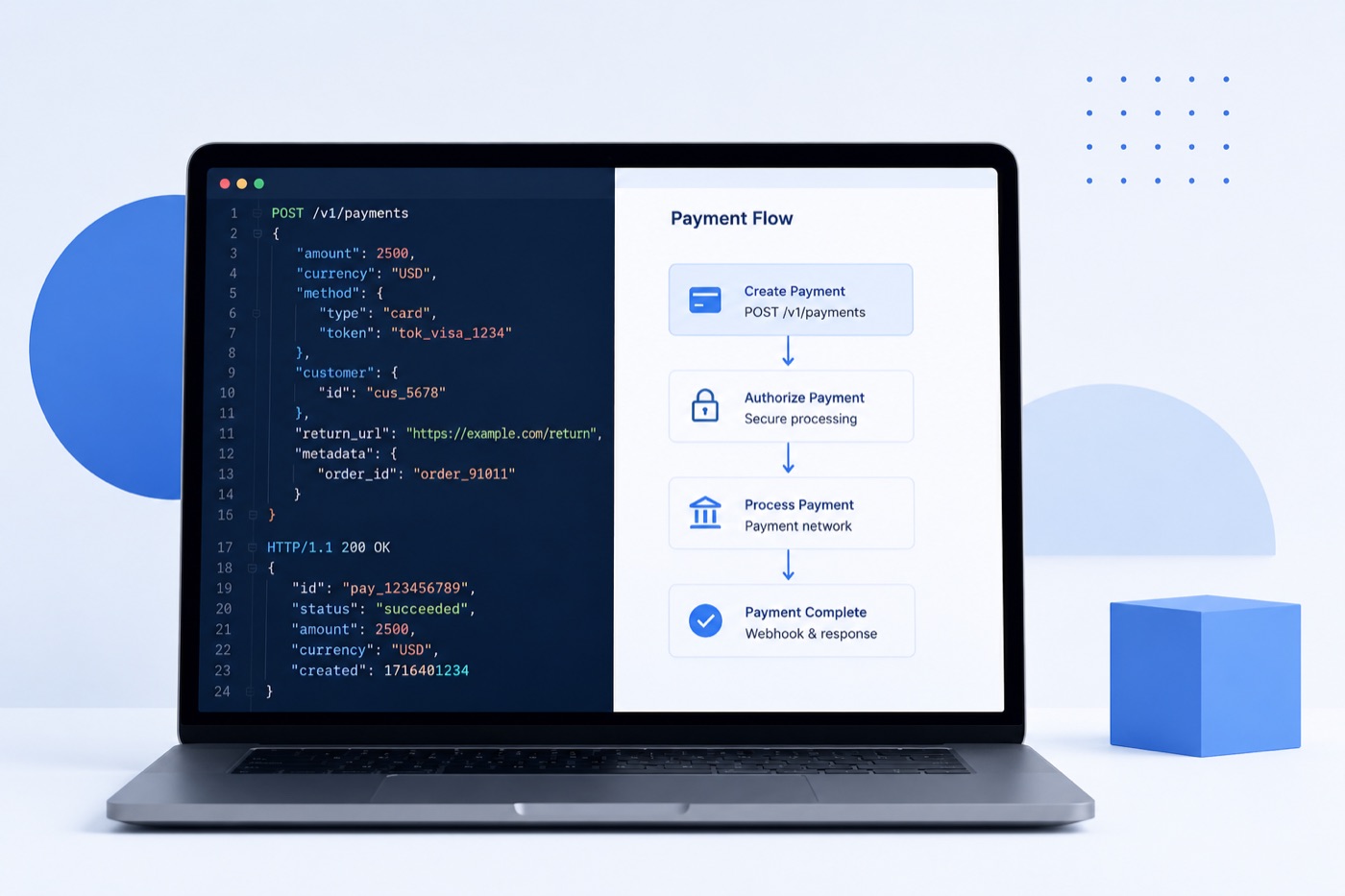
If you’re building a SaaS product or platform, your payment requirements look nothing like an e-commerce store’s. You may need to pay money out as well as collect it, embed checkout in your own UI, support multiple currencies, and automate everything via API. The right provider is built to handle that complexity, not tolerate it reluctantly.

Key takeaways

  • SaaS and platforms need money out (payouts), not just money in – plus embedded payments, multi-currency and automation.
  • API quality is decisive: clear auth, consistent endpoints, specific error messages and proper versioning save real engineering hours.
  • Embedded payments (transacting without leaving your product) is a requirement for platform products, not a nice-to-have.
  • For disbursements, look for batch payouts, API-triggered payments and a clear per-payout fee structure.
  • Check supported currencies and the FX markup before they show up in your margin calculations.

Most payment provider reviews are written for e-commerce stores selling physical products. But if you’re building a SaaS product or a platform, your requirements look quite different.

You’re not just collecting one-time card payments. You might need to trigger payouts to users, build checkout into your own UI, support customers across multiple countries, or let other businesses transact through your platform. The usual “plug in a payment link and you’re done” approach simply doesn’t cut it.

Here are the questions every SaaS founder should be asking when evaluating a payment provider.

What Makes SaaS Payments Different?

Before getting into the checklist, it’s worth naming the gap. A typical e-commerce payment gateway is optimised for one flow: customer enters card details, money moves to merchant. That’s it.

SaaS and platform businesses usually need more:

  • Money out, not just money in – paying contractors, vendors, partners, or users
  • Embedded payments – building checkout or wallet functionality directly into your product
  • Multi-currency – supporting customers and payees in different countries
  • Automation – triggering payments via API rather than clicking through a dashboard

If a payment provider’s product page is entirely focused on “accept card payments,” it’s probably not built with your use case in mind.

How important is API quality, really?

Very. The API is how your product talks to the payment provider. A poorly designed API means more development time, more edge cases, and more ongoing maintenance. A well-documented REST API with clear error codes, predictable response formats, and consistent versioning saves significant engineering hours.

Before committing, your developers should look at the API documentation themselves – not just the marketing page. Specifically, check:

  • Is authentication straightforward (OAuth or API keys)?
  • Are endpoints consistent in naming and structure?
  • Are error messages specific enough to debug from, or do they just say “something went wrong”?
  • Is there a changelog or versioning system so you can plan for breaking changes?

ONE Payments offers a REST API with code examples across multiple languages, designed for teams building payment integrations into their own products. For SaaS platforms that need to route payments across multiple providers, the payment orchestration capability is worth reviewing.

What should I know about embedded payments?

Embedded payments means your users can transact without ever leaving your product – the payment experience is built into your UI rather than redirecting to an external checkout page.

This is increasingly expected in platform products. If you’re building a marketplace, a vertical SaaS tool, or anything where payments are part of the core workflow rather than an afterthought, embedded payments capability is a requirement, not a nice-to-have.

Ask any provider you’re evaluating: do you offer embedded finance tools or embedded payment capabilities for platforms? If the answer involves a lot of hedging or “that’s on our roadmap,” keep looking.

How do automated payouts work?

Most payment providers make it easy to collect money. Fewer make it easy to send it.

If your business model involves disbursing funds – to creators, sellers, affiliates, service providers – you need a provider that supports:

  • Batch payouts – processing many recipients in a single operation rather than one by one
  • API-triggered disbursements – sending payments programmatically based on events in your system, without manual intervention
  • Clear fee structure – knowing exactly what each payout costs, before you build your pricing model around it

ONE Payments supports both batch payouts and API-triggered disbursements, which makes it viable for platforms that need to pay out at scale without a manual bottleneck.

What about multi-currency payouts?

If your platform operates across markets, you’ll inevitably need to deal with multiple currencies – both on the receiving side (customers paying in local currency) and the sending side (paying out to international contractors or partners).

Key questions to ask:

  • Which currencies does the provider support for sending and receiving?
  • What’s the FX conversion rate – and is it transparent?
  • Are there limits on international transfers or specific corridors with higher fees?

ONE Payments supports a range of currencies including SGD, USD, EUR, GBP, AUD, JPY, HKD, and others, with FX conversion at 1% above the interbank rate. For SWIFT transfers, the flat outgoing fee is USD 28. These are the kinds of numbers you want to know before they show up in your margin calculations.

How do I evaluate a provider before committing?

A few practical approaches:

Read the documentation before talking to sales. The quality of a payment provider’s developer documentation tells you a lot about how seriously they take the developer experience. If the docs are vague, outdated, or hard to navigate – the product probably is too.

Ask for examples of platforms similar to yours. Not as a reference check, but to understand whether your use case is genuinely supported or if you’d be an edge case requiring custom workarounds.

Test the support response time. Send a technical question to their support team before you sign up. How quickly do they respond? How specific is the answer? You’ll need this relationship to work when things break in production.

The Bottom Line

For SaaS founders, the right payment provider is one that was built to handle platform complexity – not one that tolerates it reluctantly. Look for a solid REST API, embedded payments capability, flexible payout options, and transparent pricing across currencies.

ONE Payments is designed for businesses that need more than a checkout button – including platforms and product teams building payments into their core workflows.

Explore what’s possible with ONE Payments

Related reading

Unlocking the Future: 7 Revolutionary Trends in AI Development You Need to Know

Artificial Intelligence (AI) is no longer a futuristic concept; it’s a reality transforming how we live, work, and interact. As we hurtle toward an increasingly digital world, understanding the revolutionary trends in AI development becomes essential for anyone eager to stay ahead of the curve. From groundbreaking advancements in natural language processing to the rise of autonomous systems, these innovations are reshaping our everyday experiences and redefining various industries. In this article, we’ll unveil seven key trends that are set to unlock the future of AI, empowering you with insights that could impact your career and lifestyle. Whether you’re a tech enthusiast, a business leader, or simply curious about the future, these developments highlight the dynamic landscape of artificial intelligence. Dive in to explore how these trends will not just change our technology, but also revolutionize the way we think about problem-solving and creativity in an AI-driven world.

Trend 1: The Rise of Explainable AI

In the complex world of artificial intelligence, one of the most significant challenges has been the “black box” nature of many AI systems. Traditionally, these systems have been excellent at making predictions and generating insights, but understanding the reasons behind their decisions has been a daunting task. This is where Explainable AI (XAI) comes into play, offering a glimpse into the inner workings of AI algorithms. Explainable AI aims to provide transparency by making AI decision-making processes more comprehensible to humans. This trend is essential not only for building trust but also for ensuring that AI systems can be effectively audited and improved upon.

The rise of Explainable AI is driven by the increasing demand for accountability in AI applications across various sectors. For instance, in healthcare, where AI algorithms assist in diagnosing diseases or recommending treatments, understanding how these decisions are made is crucial for clinicians and patients alike. By providing insights into the factors that influence AI decisions, XAI helps healthcare professionals make more informed choices and fosters a higher degree of trust in AI-driven systems. Similarly, in the financial sector, explainable AI models are imperative for justifying credit decisions, detecting fraud, and complying with regulatory requirements.

Moreover, Explainable AI is instrumental in addressing ethical concerns surrounding AI deployment. As AI systems become more pervasive, the need for ethical AI development becomes paramount. XAI contributes to this by ensuring that AI decisions are not only accurate but also fair and unbiased. By making the decision-making process transparent, XAI can help identify and mitigate any biases that may exist within the data or the algorithms themselves. This trend towards transparency and accountability in AI is a significant step towards building more ethical and responsible AI systems, ultimately fostering greater public trust and acceptance.

Trend 2: AI in Healthcare Innovations

Healthcare is one of the sectors experiencing the most profound transformations due to AI advancements. The integration of AI into healthcare systems is revolutionizing how diseases are diagnosed, treatments are administered, and patient care is managed. One of the most promising applications of AI in healthcare is in the field of medical imaging. AI algorithms are now capable of analyzing medical images with remarkable accuracy, often surpassing human radiologists in detecting anomalies such as tumors, fractures, and other conditions. This capability not only speeds up the diagnostic process but also ensures a higher level of precision, leading to better patient outcomes.

Another area where AI is making significant strides is in predictive analytics. By analyzing vast amounts of patient data, AI can identify patterns and predict potential health issues before they become critical. For example, AI-driven predictive models can forecast patient readmission rates, enabling healthcare providers to implement preventive measures and reduce hospital readmissions. Additionally, AI is being used to predict disease outbreaks, track the spread of infectious diseases, and tailor public health responses accordingly. These predictive capabilities are invaluable in managing public health and improving the overall efficiency of healthcare systems.

Moreover, AI is transforming personalized medicine, allowing for treatments tailored to individual patients’ unique genetic makeup and health profiles. Through the analysis of genetic data, AI can identify specific genetic mutations and recommend targeted therapies that are more likely to be effective for a particular patient. This approach not only enhances treatment efficacy but also minimizes adverse effects, leading to a more personalized and patient-centric healthcare experience. As AI continues to advance, its integration into healthcare promises to unlock new possibilities for improving patient care, optimizing healthcare delivery, and ultimately saving lives.

Trend 3: Natural Language Processing Advancements

Natural Language Processing (NLP) is a subfield of AI that focuses on enabling machines to understand, interpret, and generate human language. Over the past few years, NLP has seen remarkable advancements, driven by sophisticated algorithms, increased computational power, and vast amounts of data. These advancements are revolutionizing how we interact with machines, making communication more intuitive and natural. One of the most notable breakthroughs in NLP is the development of transformer models, such as OpenAI’s GPT-3, which can generate human-like text based on the input it receives.

The impact of NLP advancements extends across various applications, from chatbots and virtual assistants to language translation and sentiment analysis. For instance, chatbots powered by advanced NLP algorithms are now capable of understanding and responding to customer inquiries with a high degree of accuracy and nuance. This has significantly improved customer service experiences, as users can interact with chatbots in a more conversational and human-like manner. Similarly, virtual assistants like Siri, Alexa, and Google Assistant have become more adept at understanding and executing voice commands, making them indispensable tools for managing daily tasks.

In addition to enhancing user interactions, NLP is also transforming language translation services. AI-powered translation tools are now capable of providing more accurate and contextually relevant translations, breaking down language barriers and facilitating global communication. Furthermore, NLP is being used to analyze and interpret large volumes of text data, extracting valuable insights and identifying trends. For example, sentiment analysis algorithms can assess public opinion on social media platforms, helping businesses and organizations gauge customer sentiment and make data-driven decisions. As NLP technology continues to evolve, it promises to further bridge the gap between human and machine communication, making interactions more seamless and efficient.

Trend 4: AI and Automation in Business

The integration of AI and automation in business processes is reshaping industries and driving unprecedented levels of efficiency and productivity. From manufacturing to customer service, AI-powered automation is streamlining operations, reducing costs, and enhancing overall performance. One of the key areas where AI and automation are making a significant impact is in supply chain management. By leveraging AI algorithms, businesses can optimize their supply chains, predict demand more accurately, and manage inventory levels more effectively. This not only reduces waste and minimizes costs but also ensures that products are delivered to customers in a timely manner.

In addition to supply chain management, AI and automation are revolutionizing customer service operations. Intelligent chatbots and virtual assistants are now capable of handling a wide range of customer inquiries, from answering frequently asked questions to processing orders and providing personalized recommendations. This not only improves the customer experience by providing instant and accurate responses but also frees up human agents to focus on more complex and value-added tasks. Moreover, AI-driven analytics tools are enabling businesses to gain deeper insights into customer behavior, preferences, and trends, allowing for more targeted and effective marketing strategies.

Another significant application of AI and automation in business is in the field of human resources. AI-powered recruitment tools are now capable of screening resumes, assessing candidate suitability, and even conducting initial interviews. This speeds up the hiring process, reduces bias, and ensures that the best candidates are selected for the job. Additionally, AI-driven performance management systems can analyze employee performance data, identify areas for improvement, and provide personalized feedback and development plans. By automating routine HR tasks and providing data-driven insights, AI is helping businesses build more efficient and productive workforces.

Trend 5: The Role of AI in Cybersecurity

As cyber threats become increasingly sophisticated and pervasive, the role of AI in cybersecurity has never been more critical. AI-powered cybersecurity solutions are enhancing the ability to detect, prevent, and respond to cyberattacks in real-time. One of the key advantages of AI in cybersecurity is its ability to analyze vast amounts of data at unprecedented speeds, identifying patterns and anomalies that may indicate a security breach. Machine learning algorithms can continuously learn and adapt to new threats, making them more effective at identifying and mitigating emerging cyber risks.

AI is also playing a pivotal role in threat intelligence and incident response. By analyzing data from various sources, including network traffic, user behavior, and threat intelligence feeds, AI-driven systems can provide valuable insights into potential threats and vulnerabilities. This allows organizations to take proactive measures to strengthen their security posture and prevent attacks before they occur. In the event of a security incident, AI-powered tools can automate the incident response process, quickly identifying the source of the breach, containing the threat, and initiating remediation efforts.

Moreover, AI is transforming the field of identity and access management (IAM). AI-driven IAM solutions can continuously monitor user behavior and access patterns, detecting any deviations that may indicate unauthorized access or insider threats. By leveraging AI, organizations can implement more robust and adaptive security measures, ensuring that only authorized users have access to sensitive data and systems. As cyber threats continue to evolve, the integration of AI into cybersecurity strategies will be essential for safeguarding digital assets and maintaining the integrity of information systems.

Trend 6: AI Ethics and Responsible Development

As AI technology becomes more integrated into our daily lives, the importance of ethical considerations and responsible development cannot be overstated. The rapid advancement of AI has brought about a range of ethical concerns, including issues related to privacy, bias, accountability, and transparency. To address these challenges, there is a growing emphasis on developing AI systems that are not only effective but also fair, transparent, and aligned with ethical principles. This trend towards ethical AI development is essential for building trust and ensuring that AI technologies are used for the greater good.

One of the key aspects of AI ethics is addressing bias in AI algorithms. Bias can arise from various sources, including biased training data, flawed algorithmic design, and human biases. To mitigate bias, it is crucial to use diverse and representative datasets, implement fairness-aware algorithms, and conduct regular audits to identify and rectify any biases that may exist. Additionally, promoting diversity and inclusion in AI development teams can help ensure that a wide range of perspectives and experiences are considered, leading to more equitable and inclusive AI systems.

Transparency and accountability are also fundamental to ethical AI development. Explainable AI (XAI) plays a crucial role in this regard, as it provides insights into how AI systems make decisions. By making the decision-making process transparent, XAI helps build trust and allows for effective auditing and oversight of AI systems. Moreover, establishing clear guidelines and regulatory frameworks for AI development and deployment is essential for ensuring that AI technologies are used responsibly and ethically. As AI continues to evolve, prioritizing ethical considerations will be key to harnessing its full potential while minimizing potential risks and harms.

Trend 7: AI in Creative Industries

The creative industries are experiencing a renaissance driven by the integration of AI technologies. From music and art to literature and film, AI is augmenting human creativity and unlocking new possibilities for artistic expression. One of the most exciting applications of AI in the creative industries is in the field of music composition. AI algorithms can analyze vast amounts of musical data, identify patterns and styles, and generate original compositions that emulate the works of renowned composers. This not only opens up new avenues for musical creativity but also provides valuable tools for musicians and composers to experiment with new ideas and styles.

In the realm of visual arts, AI is enabling the creation of stunning and innovative artworks. AI-powered tools can analyze and replicate the techniques of famous artists, generate original pieces of art, and even create entirely new artistic styles. For example, AI algorithms have been used to create digital paintings that blend the styles of multiple artists, resulting in unique and captivating works of art. Additionally, AI is being used to enhance and restore historical artworks, providing new insights into the techniques and materials used by artists of the past.

The impact of AI on the creative industries extends to literature and film as well. AI-driven tools can assist writers in generating plot ideas, developing characters, and even writing entire stories. In the film industry, AI is being used to analyze scripts, predict box office success, and optimize marketing strategies. Furthermore, AI-powered visual effects (VFX) tools are revolutionizing the way movies are made, enabling the creation of realistic and immersive visual experiences. As AI continues to advance, its integration into the creative industries promises to push the boundaries of artistic expression and open up new opportunities for innovation.

Future Predictions for AI Development

As we look to the future, the trajectory of AI development promises to bring even more transformative changes to our world. One of the key predictions for the future of AI is the continued advancement of autonomous systems. From self-driving cars to autonomous drones, AI-powered systems are expected to become more sophisticated and capable, revolutionizing transportation, logistics, and various other industries. The development of more advanced autonomous systems will not only enhance efficiency and safety but also create new opportunities for innovation and economic growth.

Another significant prediction is the rise of AI-driven personalization. As AI algorithms become more adept at analyzing and interpreting data, they will be able to deliver increasingly personalized experiences across various domains. From personalized healthcare and education to tailored marketing and entertainment, AI-driven personalization will enable more targeted and relevant interactions, enhancing user satisfaction and engagement. This trend towards hyper-personalization will be driven by the growing availability of data and the continuous improvement of AI algorithms.

Moreover, the future of AI will likely see greater collaboration between humans and machines. Rather than replacing human workers, AI is expected to augment human capabilities, enabling more efficient and effective problem-solving and decision-making. This collaborative approach, often referred to as “human-in-the-loop” AI, will leverage the strengths of both humans and machines, leading to better outcomes and more innovative solutions. As AI continues to evolve, fostering collaboration between humans and machines will be key to unlocking its full potential and driving progress across various domains.

Conclusion: Embracing the AI Revolution

The revolutionary trends in AI development highlighted in this article underscore the profound impact that AI is having on our world. From enhancing transparency and accountability through Explainable AI to revolutionizing healthcare, business, and cybersecurity, AI is reshaping various industries and transforming our daily lives. As we embrace the AI revolution, it is essential to prioritize ethical considerations, ensure responsible development, and harness AI’s potential for the greater good. By staying informed about these trends and understanding their implications, we can navigate the dynamic landscape of AI and unlock new opportunities for innovation, creativity, and progress. The future of AI is bright, and by embracing its potential, we can shape a world that is more connected, efficient, and equitable.